

















Ecodry System 4.0
Automotive Process-Synchronized Cooling & Temperature Control Systems
Technologically advanced solution for injection molding of automobile components. The innovative Ecodry System guarantees increased productivity, thanks to the reduction of cooling times and better quality of the molded components, in addition to significant cost savings and a significant reduction in environmental impact.
 )and discover all the advantages of our solutions:
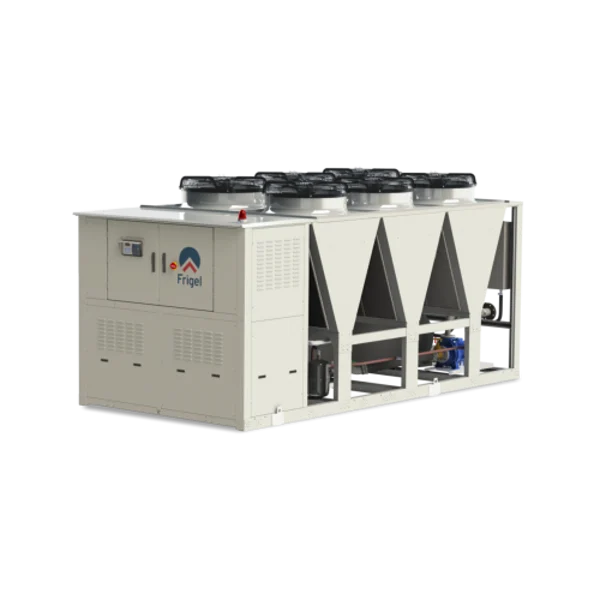
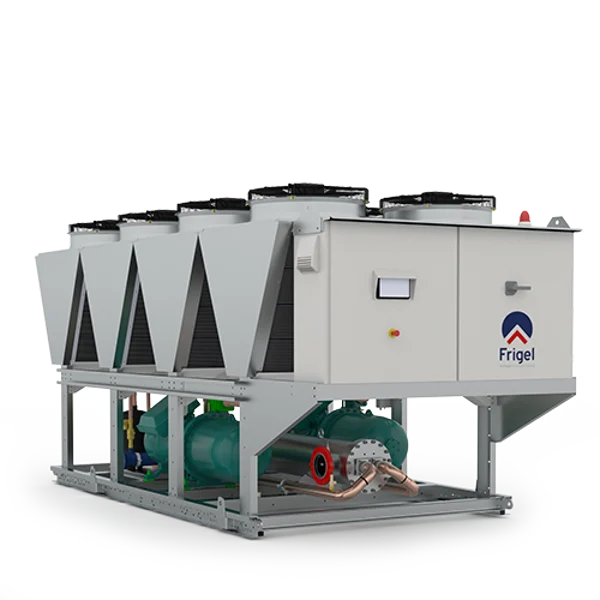
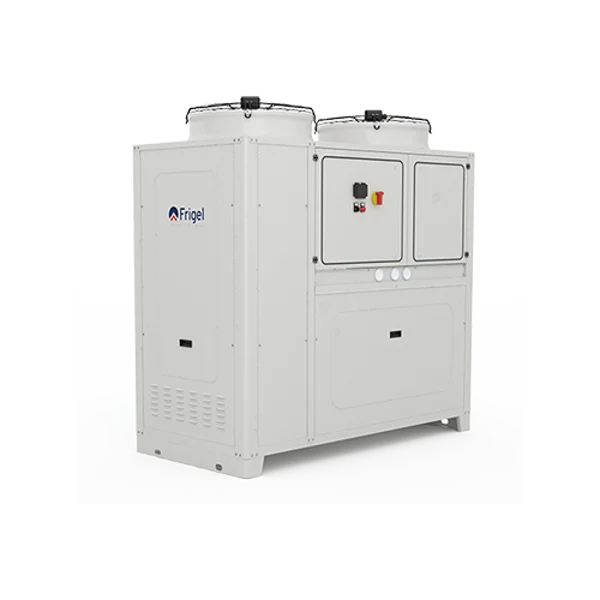
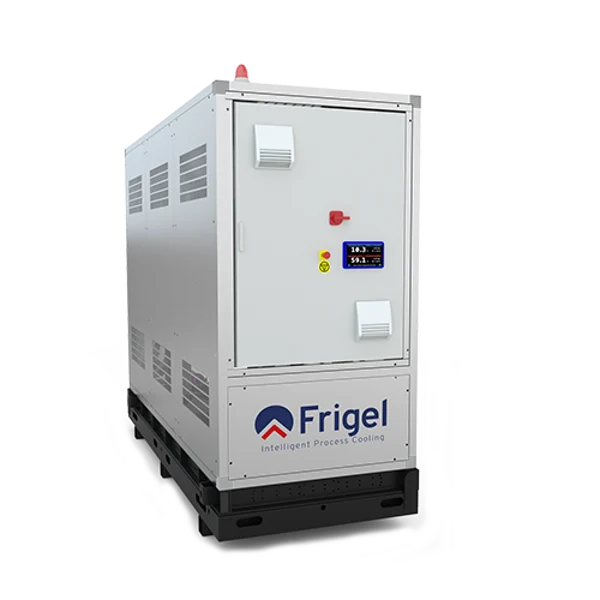
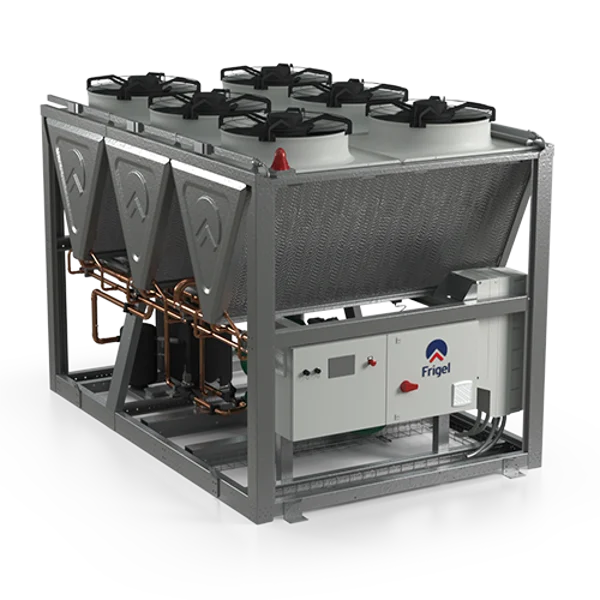
Ecodry 4DK
Adiabatic Cooling System
- Up to 15% less energy consumption
- Water saving up to 95%
- Safe operation without glycol down to an ambient temperature of -30 °C (-22 ˚F)
- Remote monitoring
- Improved COP up to 30%


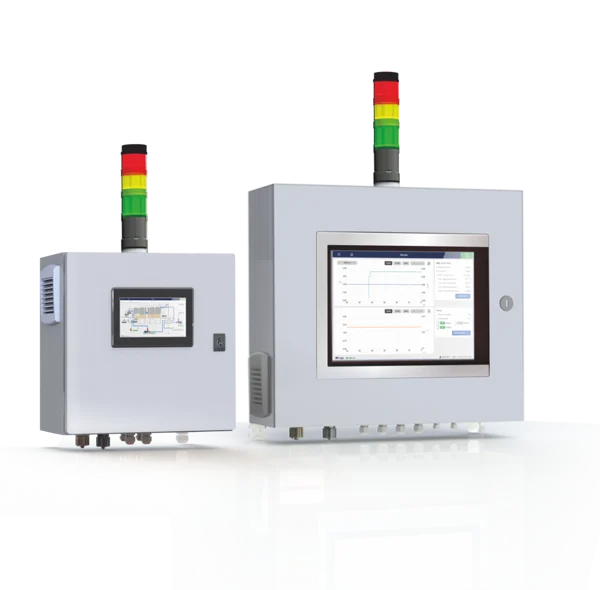
Remote control platform
- Unique central inferface for control of the cooling system
- Easy visualization of the connected equipment
- Alarm management and history
- Multiple access levels

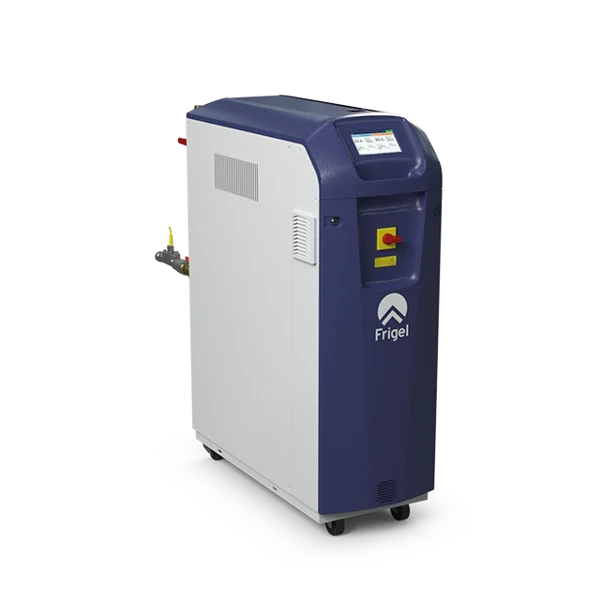
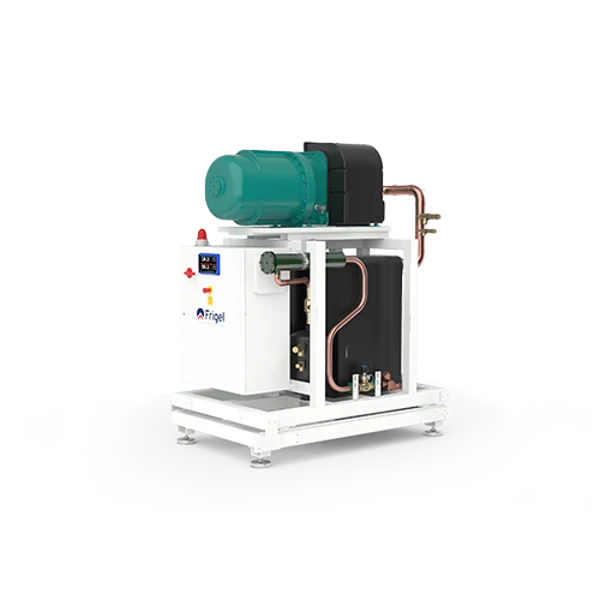
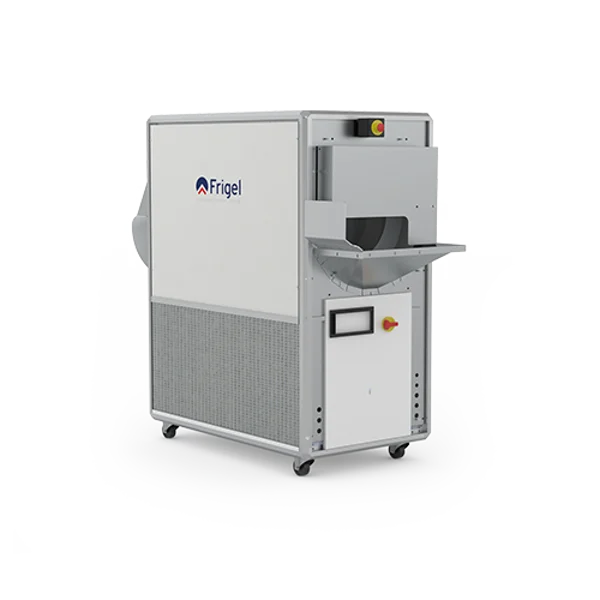
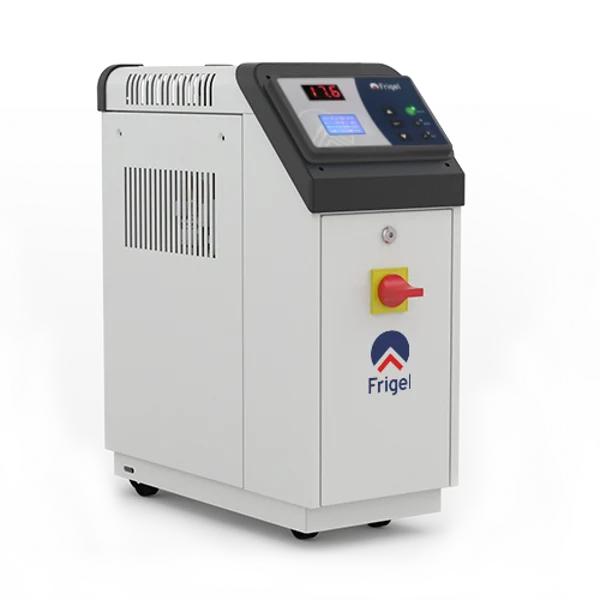
Dynamico DS for Technical Molding
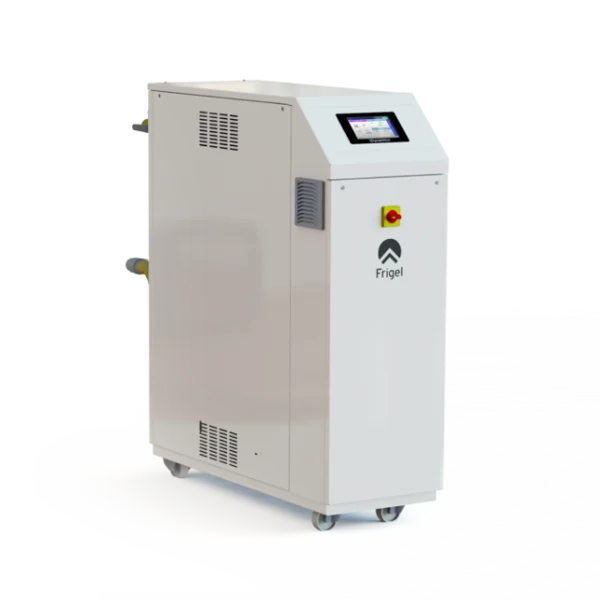
Dynamico DS, for any Molding Application up to 90 °C. These units guarantees a significant reduction of the cycle time by increasing the heat transfer efficiency between recirculating water flow and mold cavities, thus drastically reducing the cooling time, keeping consistent the molded part quality.
- Proven Productivity Increase: at least 20%
- Lower Operating Cost (kW/part) of -12%
- Return On Investment in Short Time
- Floor Production Capacity +20%

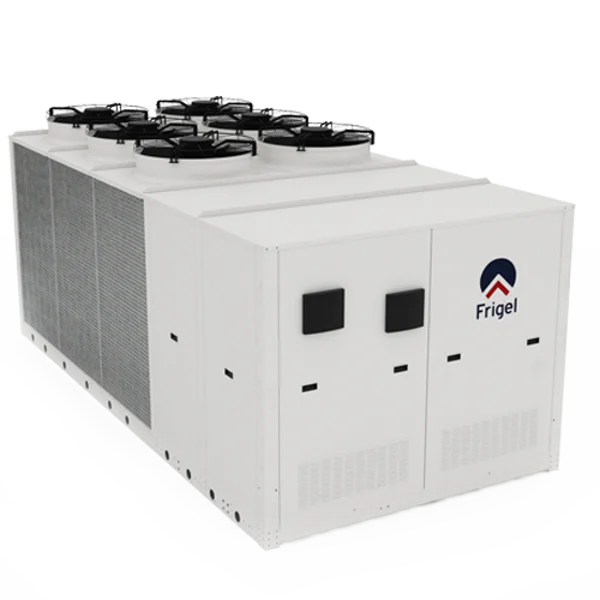
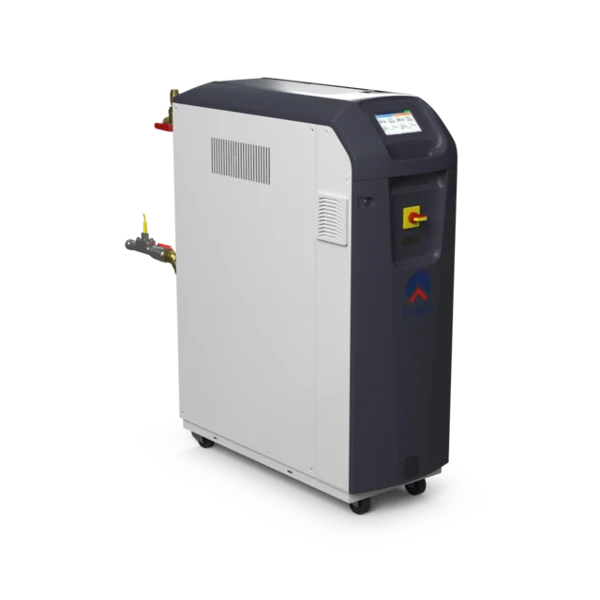
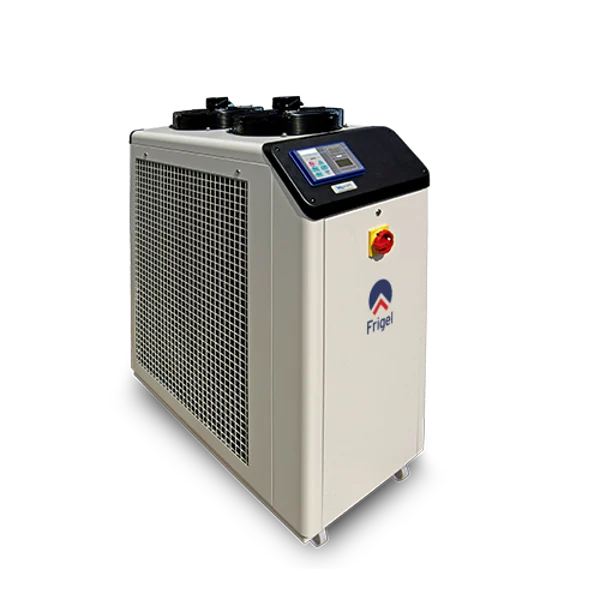
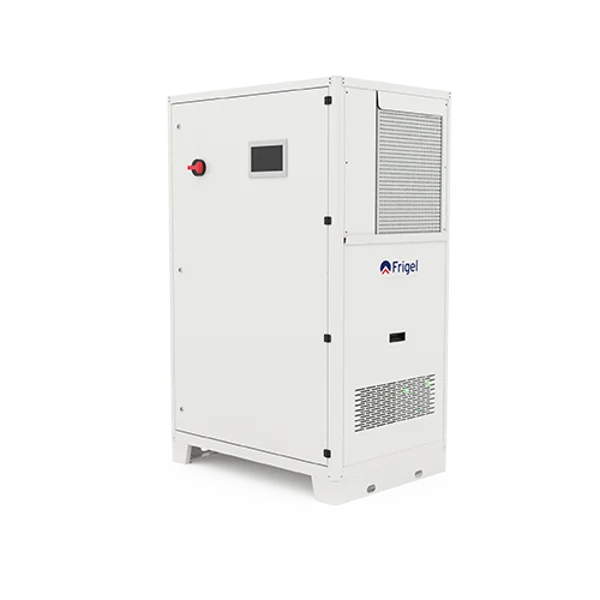
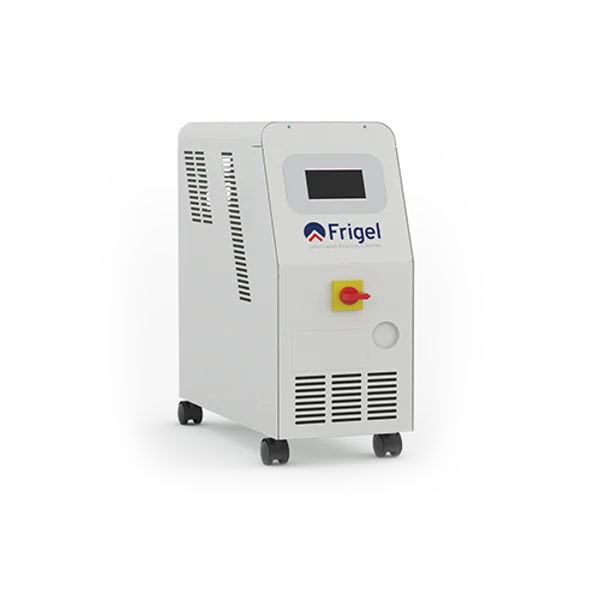
Dynamico DY for Technical Molding and Packaging Applications
Revolutionary product designed for dynamic temperature control with on-board chiller. Dynamico allows to search and store the best mold temperature control parameters that highly reduce the Mold Cooling Time, optimizing part quality.
- It guarantees a significant reduction in cycle time
- Mold temperature control synchronized with the process
- Increased production by up to 50% due to drastic reduction in cooling time
- Intelligent use of energy consumption
- Cost-effective investment and high ROI
- Does not require mold modifications
Dynamico DY for Technical Molding and Packaging Applications
Revolutionary product designed for dynamic temperature control with on-board chiller. Dynamico allows to search and store the best mold temperature control parameters that highly reduce the Mold Cooling Time, optimizing part quality.
- It guarantees a significant reduction in cycle time
- Mold temperature control synchronized with the process
- Increased production by up to 50% due to drastic reduction in cooling time
- Intelligent use of energy consumption
- Cost-effective investment and high ROI
- Does not require mold modifications
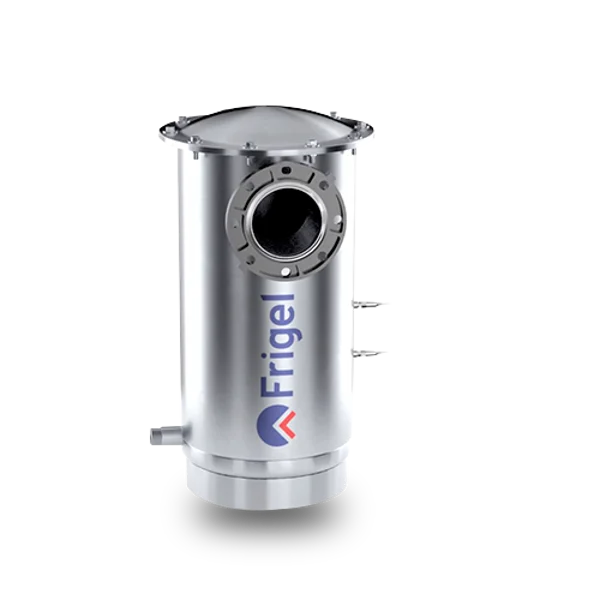
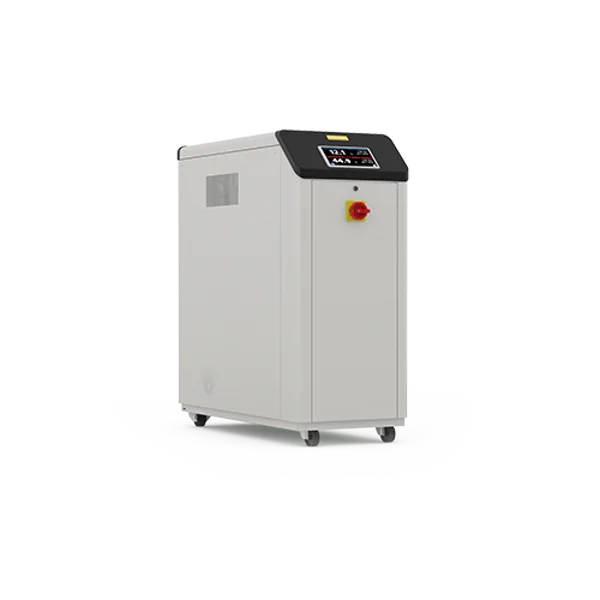
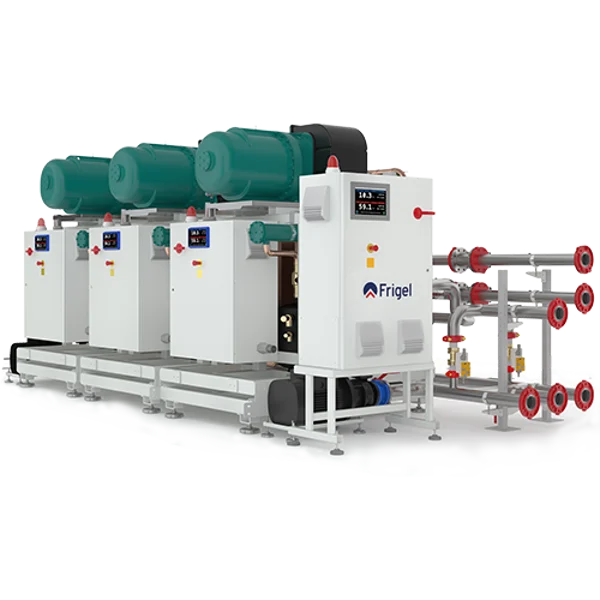
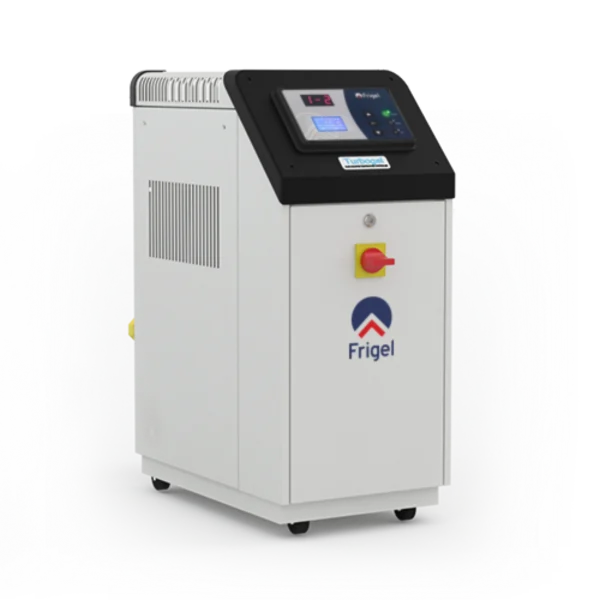
Thermogel - TRP
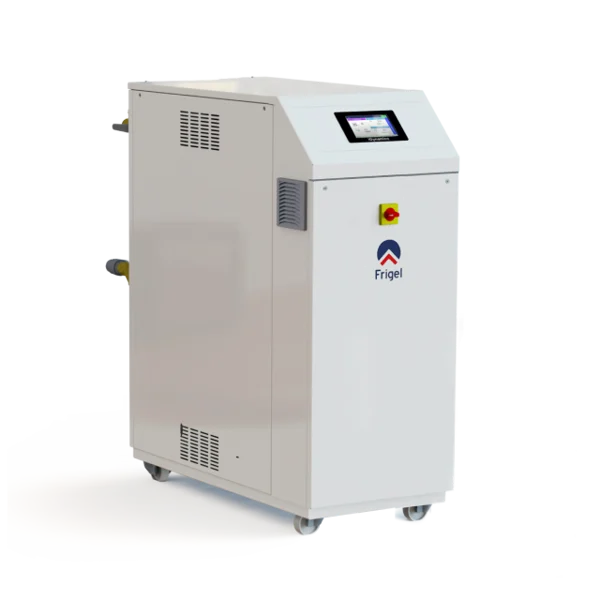
Pressurized water Temperature Control Unit, designed for general plastics molding applications up to 140 °C/284 °F.
- Control of the mold temperature synchronized with the process
- High precision: +/- 0.1 °C (+/- 0.2 ˚F) of the set value
- High accessibility for easy maintenance

Machine Interactive Database
Supervision system for plant control and optimization
- Remote control of machines from everywhere
- Live data recording (all the operating parameters)
- Data stored locally, physically installed on-site
- Safe and encrypted Data transfer



Download the brochure of the cooling system Automotive
 Download
Process Cooling Solutions for Automotive
To watch this video, please accept marketing cookies: the video is hosted on YouTube.
Process Cooling in Automotive Injection Molding: Thermal Efficiency, Class-A Surfaces, and IATF 16949 Sustainability
Automotive plastic components — from large-tonnage car body panels and dashboards to crystal-clear optical lighting lenses in PC/PMMA and under-hood powertrain parts in glass-filled PA66 — demand uncompromising manufacturing standards. Every fraction of a second cut from mold cooling times drives massive profitability gains across annual production runs of millions of parts, while Class-A cosmetic surfaces tolerate zero aesthetic defects (sink marks, gloss variations, or cold weld lines).
While traditional cooling manufacturers address these challenges with bulky, centralized systems providing static, uncoordinated water flows, Frigel revolutionizes automotive molding with Process-Synchronized Cooling architectures. The Frigel ecosystem combines the Ecodry central closed-loop adiabatic cooler with smart machine-side units (Dynamico DY/DS and Thermogel), delivering maximum energy efficiency and seamless alignment with IATF 16949 quality audits and corporate ESG scorecards.
Centralized circuit: Eliminating Biological Risk and Water Waste with Ecodry & Hybreco HSM
At the central utility level, many automotive molding plants still waste energy and resources by running open-loop evaporative cooling towers to cool hydraulic press oil, central chillers, compressor motors, and desiccant dryers. Open towers are a hidden financial drain: they evaporate millions of gallons of water, require continuous chemical water treatments, and carry latent shutdown risks from Legionella contamination.
Frigel resolves this structural inefficiency by offering two high-performance closed-loop adiabatic cooling technologies, fully aligned with ESG scorecards and IATF 16949 automotive certification standards:
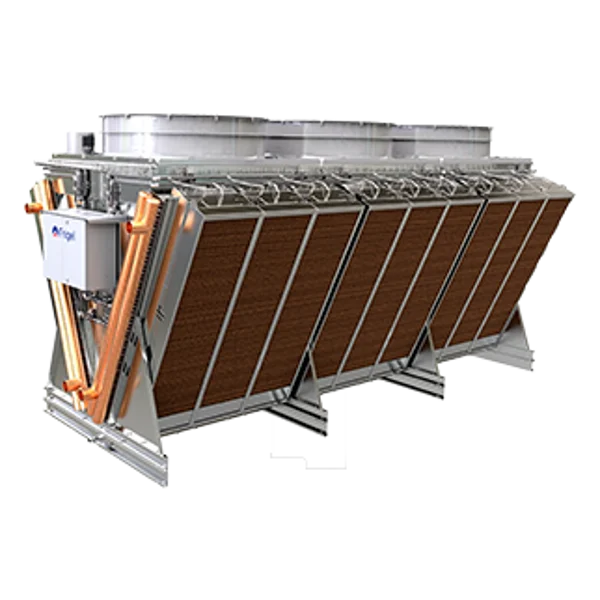
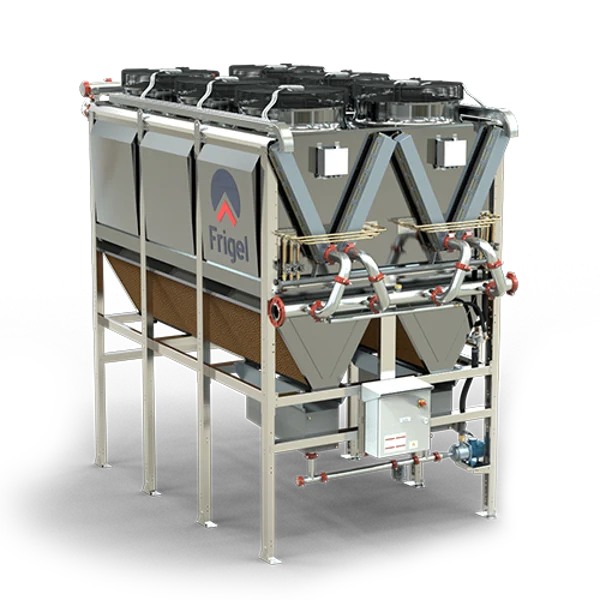
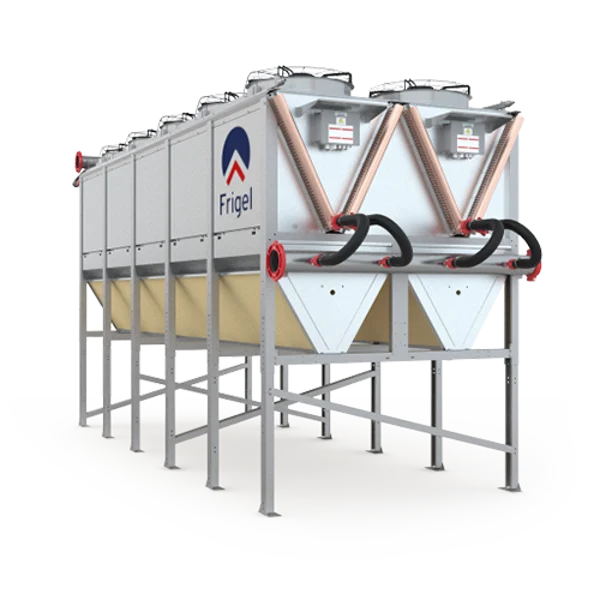
- Ecodry (Key strengths for large Automotive plants): Heavy-duty central solution with V/W copper/stainless steel coils for multi-MW facilities. Guarantees 100% Glycol-Free operation down to -40 °C via gravity Drain-In-Back self-draining, cutting glycol overhead while preserving pure water's maximum thermal conductivity to cool hydraulic oil on massive 1,000 - 4,000 ton IMMs. Delivers 95% water savings and 90% lower maintenance.
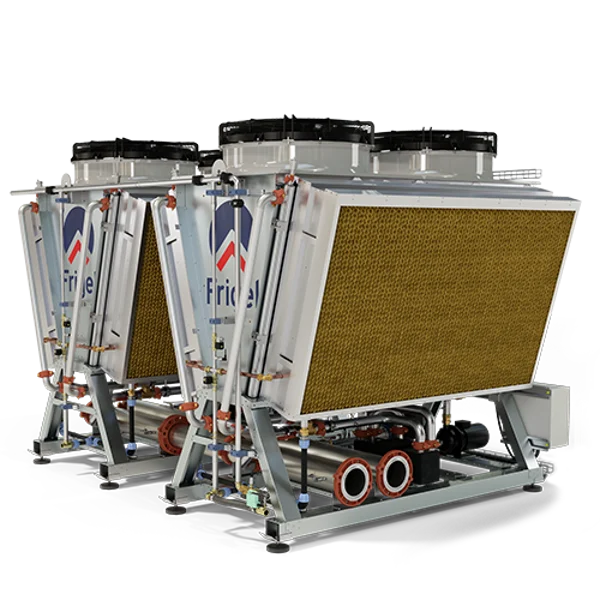
- Hybreco HSM (Modular Plug & Play Low-CAPEX Alternative): Modular adiabatic cooler utilizing 100% aluminum micro-channel coils that significantly reduces initial CAPEX (€/kW). Integrates the VFD process pump, onboard controls, and Y-strainer into a plug-and-play self-contained unit, ideal for new automotive molding cells or department expansions without installing complex piping headers.
- Indirect Setup for Automotive Press Oil Cooling: For automotive IMM hydraulic oil protection, Hybreco in Indirect mode (with integrated BPHE brazed plate heat exchanger) completely isolates the hydraulic oil and plant water circuit from outdoor microchannels, while the outdoor cooler loop is protected with a water-glycol mixture.
Machine-Side Cooling Architectures by Automotive Application
Rather than relying on one-size-fits-all water temperatures, Frigel's localized solutions are configured by automotive application sector:
Car Body (Bumpers and Large Structural Panels): Thick-walled parts where mold cooling represents over 60% of total cycle time. Water stagnation in long mold channels severely bottlenecks productivity.
Frigel Solution: Machine-side Dynamico DY unit equipped with high-pressure HP booster pumps (up to 6x the flow rate of standard TCUs). Generates turbulent hydraulic regimes (high Reynolds number) that extract heat rapidly, cutting cycle times by 20-30%."
Interiors (Class-A Finish Console and Door Panels): Requires flawless cosmetic surfaces, free of sink marks, flow lines, or gloss variation in ABS and PC/ABS.
Frigel Solution: Dynamico DS (high-flow MTCU operating up to 90 °C max). Interfaced with the IMM signal via Euromap 82.1, it modulates flow rate and temperature between injection and cooling phases, enabling the polymer to replicate mold texturing perfectly while eliminating weld lines."
Lighting (Headlamp Lenses and Housings in PC or PMMA): Demands absolute optical clarity and zero residual internal stresses (birefringence).
Frigel Solution: Thermogel TRP pressurized water units (operating up to 140 °C). Maintaining precise mold thermal control within ±0.1 °C across the hot mold surface ensures uniform polymer volumetric shrinkage, eliminating optical distortion."
Powertrain / Under-Hood Components (PA66-GF, PPS Parts): Requires high thermal stability and flawless structural integrity to withstand severe mechanical loads. Stampa caldi (80-120 °C) are required for glass-filled polymer crystallization.
Frigel Solution: Thermogel TRP (up to 140 °C) and Thermogel TDK (up to 120 °C) pressurized water systems. Replacing legacy diathermic oil TCUs (hazardous and low heat transfer), these pressurized water units double heat transfer efficiency and cut mold preheating times in half.
DYNAMICO AI Technology: Shifting the Control Variable to Cycle Time
The true paradigm shift of Frigel's Dynamico series (DS, DH, DY) is its control variable. Instead of maintaining static water temperatures, the AI-assisted Dynamico Wizard algorithm takes cycle time as the primary objective to minimize. Interfaced natively with the injection molding machine via OPC-UA (Euromap 82.1), Dynamico continuously measures real polymer heat loads and calculates the optimal flow and temperature setpoints to extract heat in the shortest possible time.
With DYNAMICO SYNCRO (VFD-driven pumps), the unit synchronizes directly with the IMM cycle: it triggers maximum turbulent flow (Deep Cooling) only during the part solidification phase, reducing pump speed during cavity injection and mold opening. This prevents thermal shock at injection gates while saving up to 30% in pumping electrical power.
Real-World Case Study: Automotive Technical Parts
+41% Productivity Increase and Class-A Surface Finish on Structural Polymers (PA30% GF)
A leading Eastern European Tier-1 automotive supplier, specializing in high-precision plastic injection molding for internal car part mounting, faced critical profitability constraints on its manufacturing floor. Mold cooling time accounted for a massive 40% to 80% of the overall injection cycle. To unlock a vital throughput boost and secure a defect-free, high-quality surface finish, the client integrated Frigel's advanced machine-side temperature control technology, connecting it directly to their centralized dry cooling utilities.
Frigel engineered a high-performance cell configuration consisting of:
- A localized Microgel Syncro (now Dynamico Syncro) dual-zone dynamic TCU/chiller unit equipped with high-pressure VFD pumps, digitally synchronized with the injection molding machine (IMM) cycle using the mold-close signal.
- A central ECODRY closed-loop adiabatic dry cooler installed outdoors to reject condensation heat from the Microgel unit with maximum environmental efficiency.
Production tests conducted on a structural technical component molded in Polyamide with 30% glass fiber (PA30% GF) — featuring a part weight of 120 grams (total shot weight of 250 grams) and a zone temperature setpoint of 55 °C — delivered exceptional, verified performance metrics: - +41% Productivity Increase: Implementing the Microgel in Syncro pulsed-cooling mode boosted the plant's hourly production output by 41%.
- -27% Cycle Time Reduction: Shaved 27% off the total cycle time, cutting it down significantly from the original 45-second cycle.
- Recipe Optimization in 2.5 Hours: Utilizing the system's intuitive, step-by-step software wizard allowed plant operators to autonomously complete the fine-tuning of the mold recipe in just 150 minutes.
- Flawless Class-A Finish: By maintaining the mold cavities hot during the injection phase and delivering a targeted flow boost during the cooling phase, the system eliminated cold weld lines and ensured a perfectly homogeneous glass fiber alignment, securing strict dimensional tolerances.
FAQ 1
1. How can water consumption and maintenance costs be reduced in centralized cooling systems for automotive molding?
The solution lies in replacing open evaporative cooling towers with the Ecodry System 4.0 closed-loop central adiabatic cooling system. Ecodry holds process water inside a sealed stainless circuit, running dry for over 95% of the year. This slashes water consumption by 95%, eliminates chemical water treatment costs, and removes biological Legionella shutdown risks.
FAQ 2
2. How can cycle times be reduced in the injection molding of automotive plastic components without changing the mold?
DYNAMICO requires no mechanical modifications to existing tooling. The unit is installed alongside the press and interfaced with the machine cycle signal (Euromap 82.1). The AI-assisted Dynamico Wizard algorithm measures real polymer heat loads and drives high-pressure HP booster pumps to generate turbulent water flow inside mold channels. Maximizing heat transfer efficiency during part solidification cuts cooling times by 15-30%.
FAQ 3
3. What is the ideal mold temperature control strategy for automotive components with Class-A cosmetic finish or optical lenses?
For Class-A cosmetic parts (e.g., dashboards and door trims), the ideal solution is Dynamico DS or DY featuring DYNAMICO SYNCRO, which keeps the mold cavity hot during cavity filling to eliminate weld lines, followed by rapid cooling. For optical lighting lenses in PC/PMMA, the primary choice is the Thermogel TRP pressurized water system (up to 140 °C), delivering ±0.1 °C thermal stability to eliminate residual stress birefringence.
FAQ 4
4. What are the energy savings and return on investment (ROI) of a smart dynamic temperature control system in automotive plants?
Implementing the Frigel ecosystem yields a typical Return on Investment (ROI) of 6 to 14 months. Financial returns stem from a combination of: +20% higher hourly press output, up to 95% compressor electricity savings via central Free-Cooling, 30% lower pumping energy consumption with DYNAMICO VFD inverters, and a 90% reduction in mold channel descaling maintenance.
Performance and Sustainability


Increased productivity
1. Significant reduction in cooling times
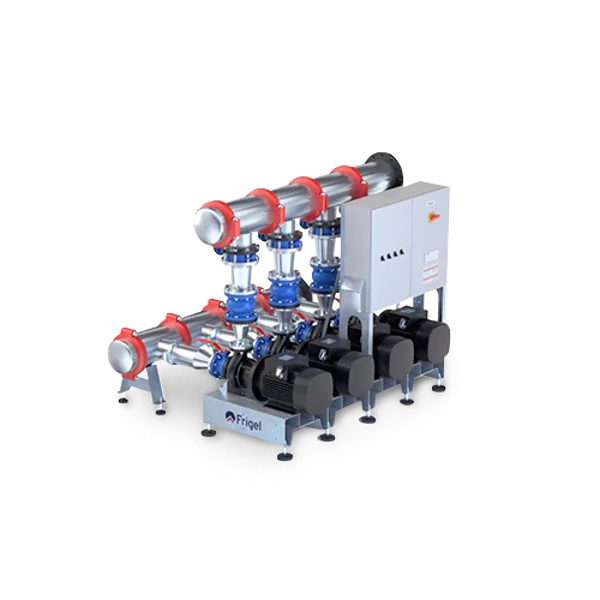
Thanks to their ability to synchronize with the production line, the units can activate strong cooling, providing low temperatures and high flow rates to the mold, only during certain phases of the cycle.
2. Total control flexibility
Thanks to the wide range of units, even with built-in chiller (Microgel), there is no limit to the settings of the cooling or thermo-regulation temperature from 0 to 200 °C (30 to 400 ˚F) and of the flow rate in each circuit of the mold, for each type of application.
3. Perfect repeatability
Synchronization with the process ensures precise control of the mold temperature at every stage of molding, without interference, while the process machines operate constantly at maximum performance.
Reduced operating costs
1. Energy savings up to 30%
• Synchronized cooling - The units are activated automatically only when needed, achieving significant energy savings.
• Intelligent use of chilled water -
The integrated chillers will operate only where and when it is needed.
• Free-Cooling opportunities - The units with integrated chiller have the function of automatic Free-Cooling. Whenever the temperature required by the process is higher than the temperature supplied by the central system, the compressors stop.
2. Water savings up to 95%
The central adiabatic cooling system operates in a dry mode without water consumption almost all year, exploiting the ambient air to transfer the heat coming from the processes. Only during periods of extreme ambient temperatures above 30 °C (86 ˚F), the system uses a minimal amount of water in evaporative mode.
3. Up to 90% maintenance savings
The central adiabatic system is a closed circuit that allows excellent heat transfer with minimal maintenance.
Total modularity
1. Easily expandable at any time
The Ecodry System allows the installation of the exact capacity required at each stage of plant development.
2. Gradual implementation
Even in existing plants, installing additional units is very simple thanks to the functional and effective modularity design.
3. Exact quantification of costs by line and product
Each unit can measure and record the specific energy consumption for each product.
4. Total reliability
The extreme simplicity, reliability and redundancy of the components of the adiabatic cooling unit minimizes the possibility of plant shutdown due to failures of the cooling system, ensuring the continuity of production 24 hours a day.
Reduced carbon footprint
1. Intelligent electricity consumption
With minimal waste.
2. Maximum savings
Obtained thanks to automatic and independent Free-Cooling by process.
3. Possibility of reducing the consumption of natural gas
Thanks to the heat recovery of processes through heat pumps.
Minimized water footprint
Unlike traditional systems, such as the evaporative tower, this new heat dissipation technology consumes water only during periods of extreme environmental temperatures, reducing water consumption to a minimum.
Reduced risks of emissions
1. Low GWP refrigerant
The system uses a refrigerant gas with the lowest GWP available to date.
2. Risk of losses and emissions reduced to a minimum
In each unit the refrigerant gas is divided into small separate circuits, minimizing the risk of emissions in the event of leaks.
3. Without disposal of chemical additives
It does not require the disposal of chemical additives used for water treatment.
Other solutions for Automotive
Discover our alternatives
High performance for every process need.


Our installations


