















Hybrid Cooling Solution
Modular Trim Cooling
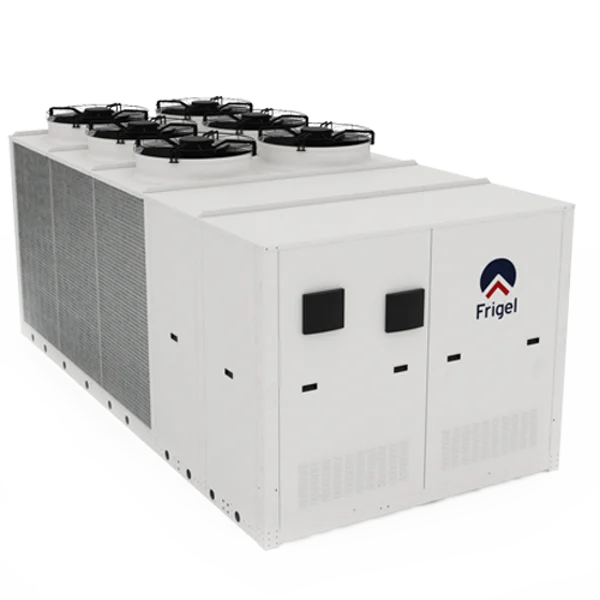
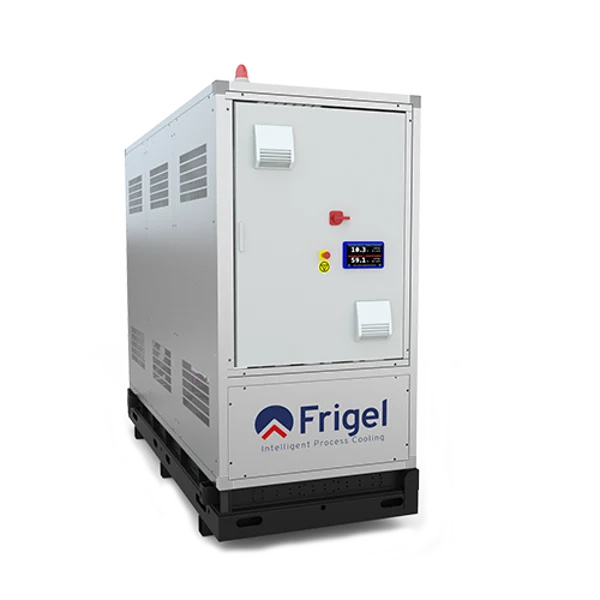
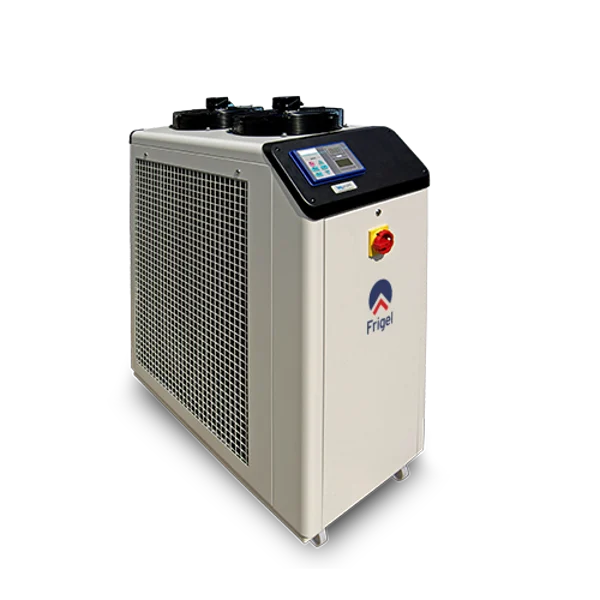
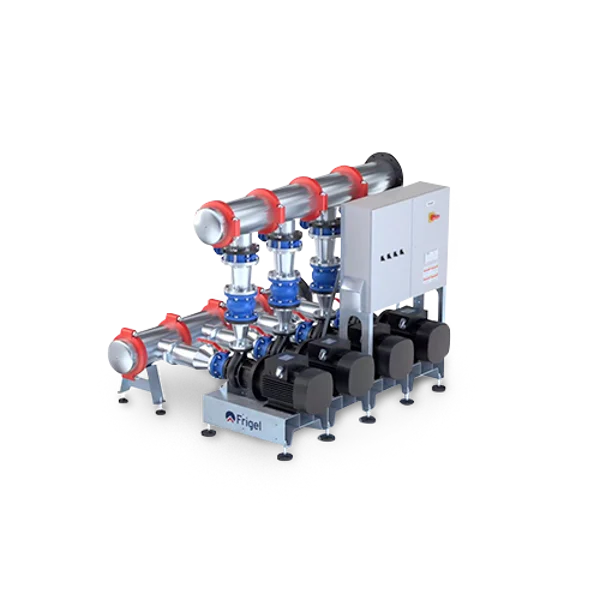
Trim Cooling optimizes energy use by combining free cooling (dry cooler) for pre-cooling with trim chillers that are activated only when the outdoor temperature exceeds 15 °C. This hybrid approach (dry cooler + water or air-cooled chillers) ensures efficient cooling for high-density racks (>50 kW) and significantly reduces energy consumption during the colder months.
 )and discover all the advantages of our solutions:

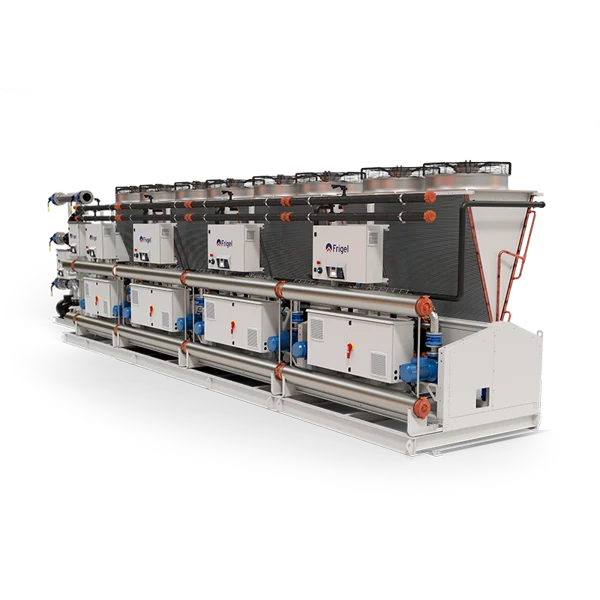
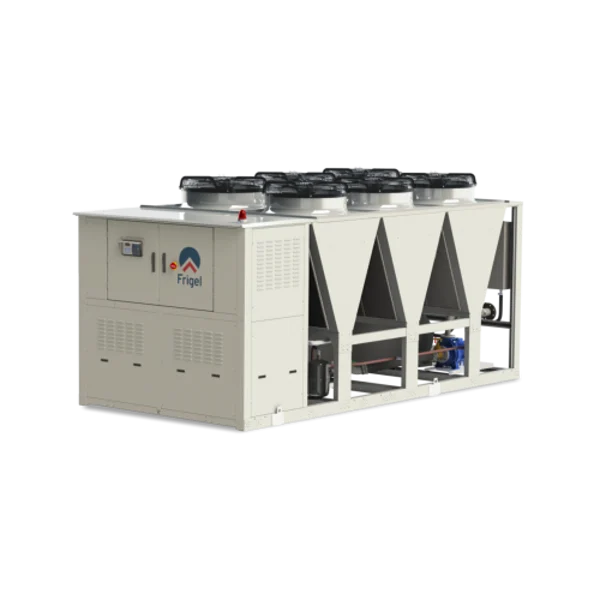
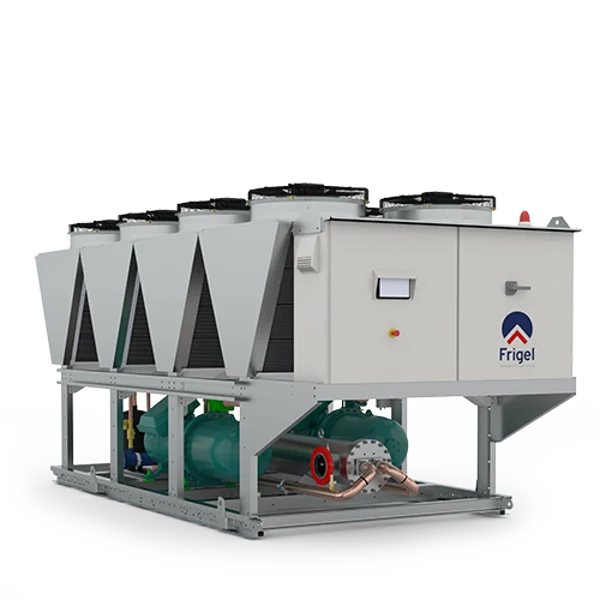
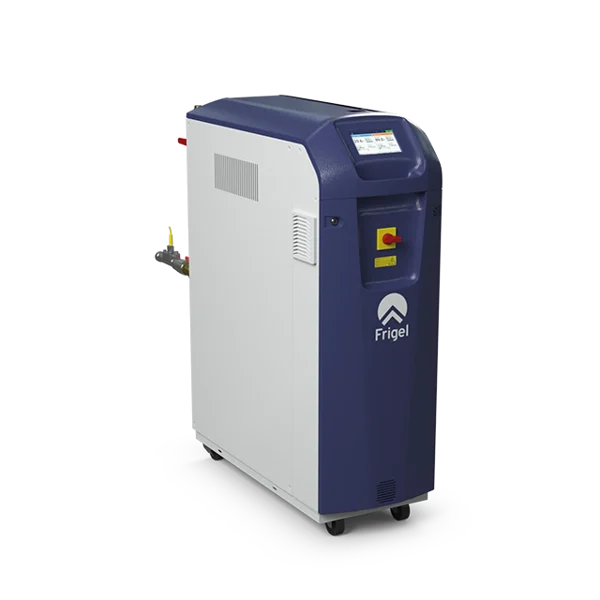
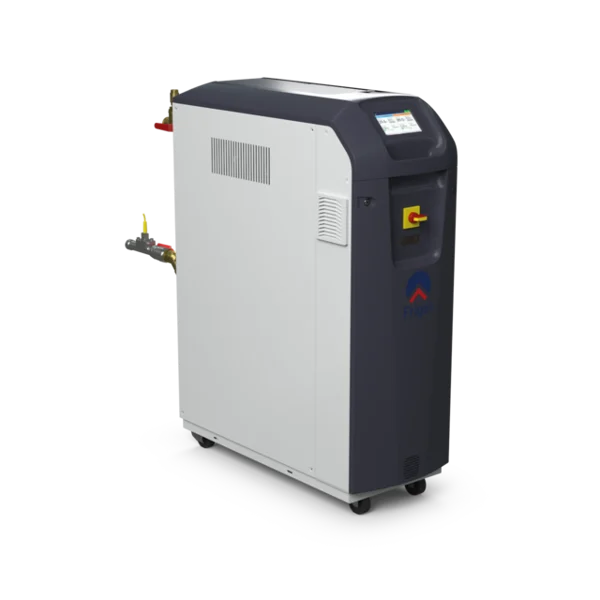
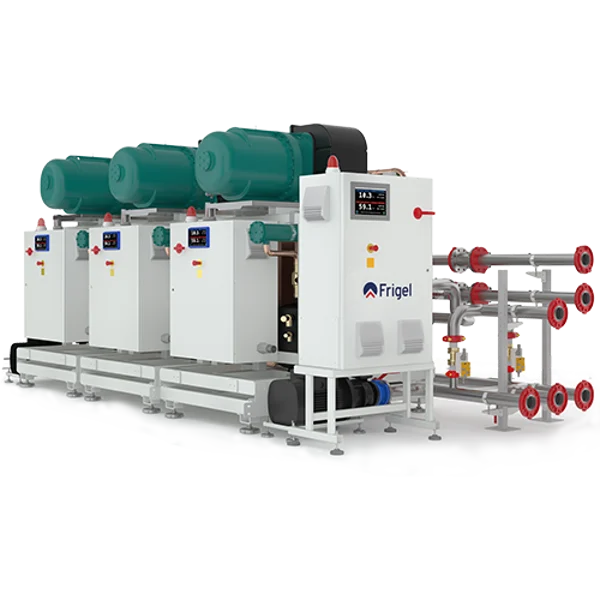
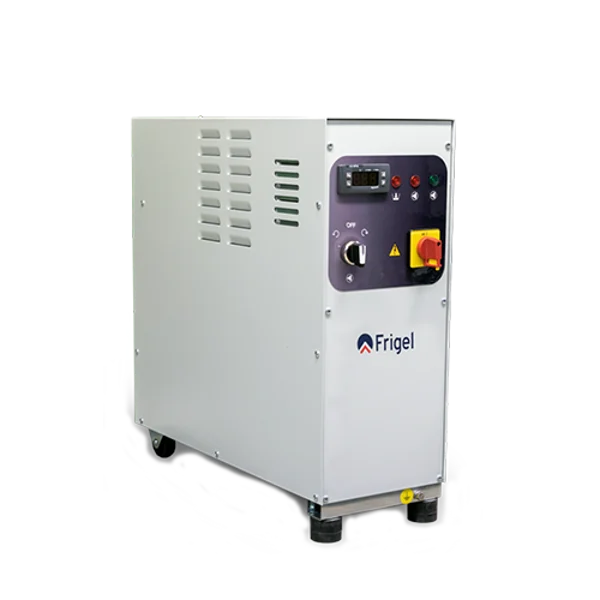
Modular Water Cooled Chillers - 3FX
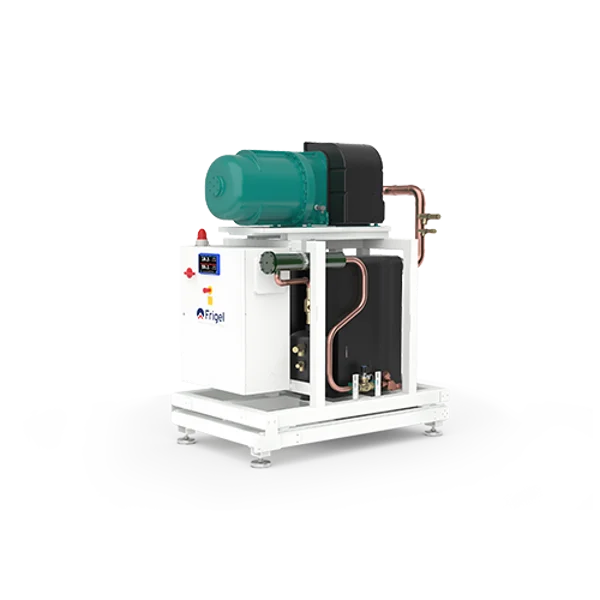
Super-compact modular chillers, specifically designed to build complete systems with multiple chillers, connecting them in series (Frigel MultiStage) or in parallel.
- Super compact: maximum cooling capacity compared to the footprint.
- Low charge of refrigerant gas: maximum capacity per kg (lb).
- Heat recovery managed as a heat pump. Hot water up to 60 °C (140 ˚F).
- Plug & Play concept - easy to install and expand.


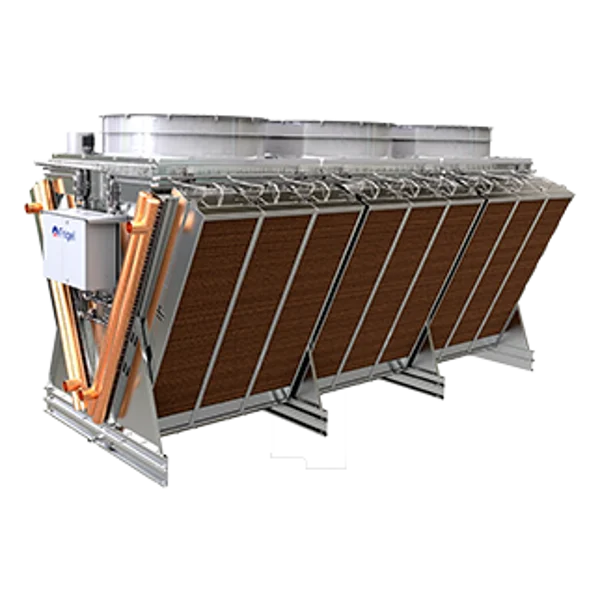
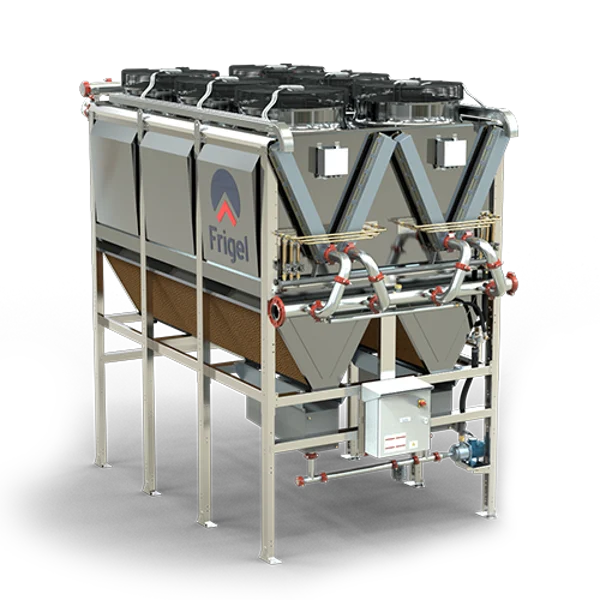
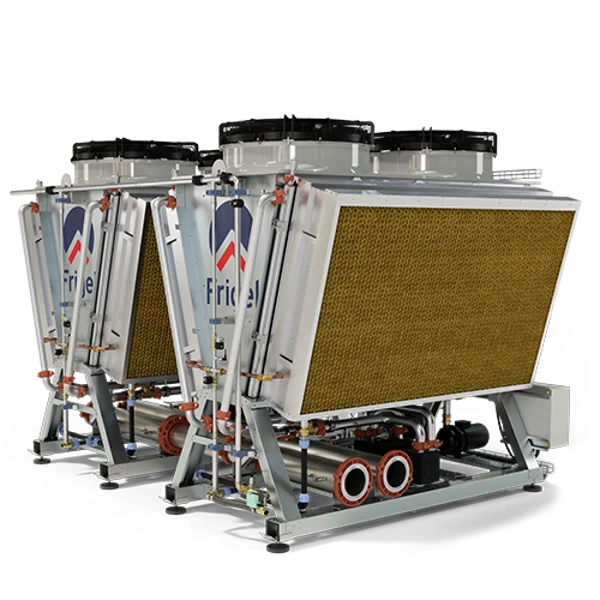
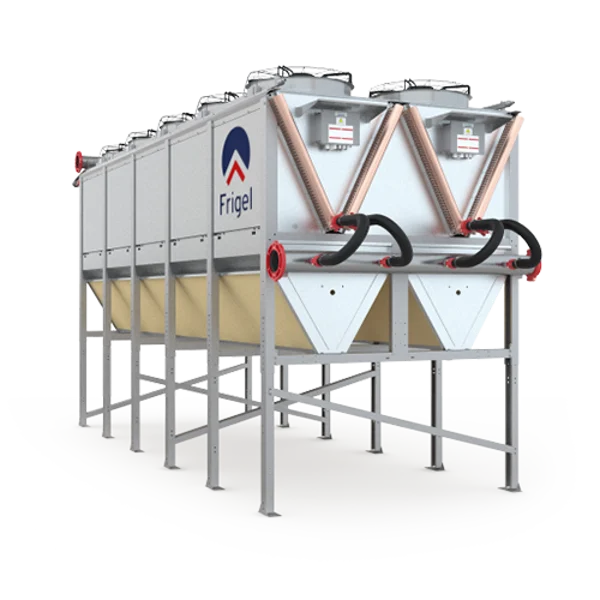
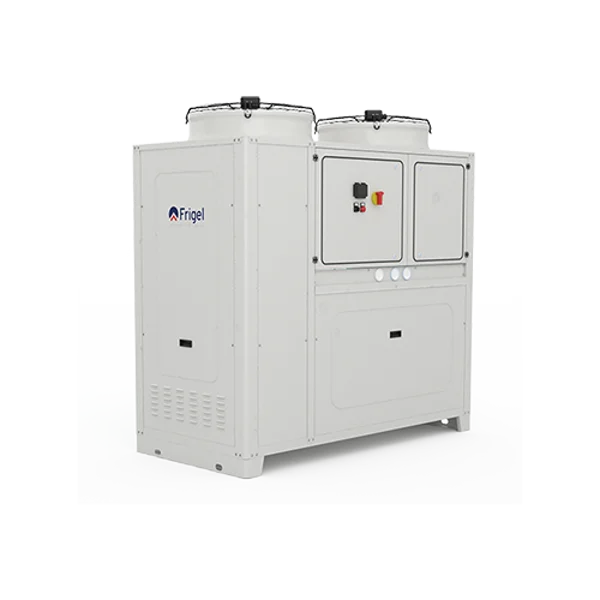
Ecodry 3DK
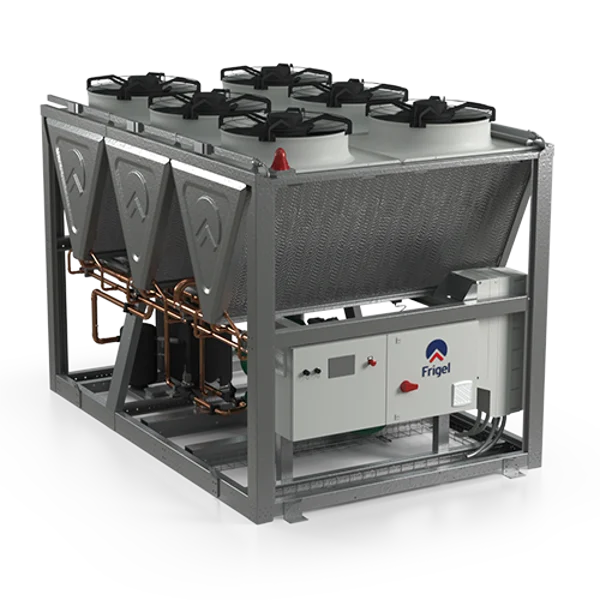
Adiabatic Cooling System
- Operation guaranteed with minimum water consumption and maintenance even in extreme weather conditions, up to +50 °C (120 ˚F) ambient temperature
- Safe operation without glycol down to an ambient temperature of -40 °C (-40 ˚F)
- High energy savings of the fans in partial load operation


Sustainability Meets PUE Reduction
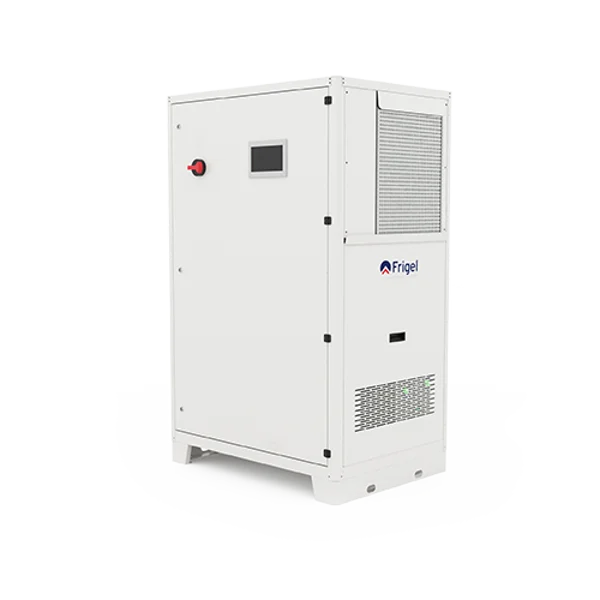
Frigel’s Modular Trim Cooling Systems deliver high-efficiency and localized process cooling engineered to reduce energy consumption.
Key Aspects of Trim Cooling Technologies:
- Optimal Operation: Free cooling uses air-cooled chillers or dry coolers to manage the heat load at low temperatures; mechanical cooling kicks in only when necessary.
- System Types: Water-cooled chillers combined with dry coolers are highly efficient and allow the dry cooler to assist the condenser even during full mechanical operation.
- High-Density Solutions: With AI and GPU workloads exceeding the limits of traditional air cooling (>50 kW/rack), Trim systems are essential for supporting high-density configurations.
- Energy Savings: Trim Cooling reduces the PUE (Power Usage Effectiveness), bringing it closer to the ideal value of 1.0, compared to traditional mechanical cooling.
Benefits:
- PUE Reduction: Technologies such as adiabatic and in-row cooling reduce energy consumption, optimizing the PUE to approximately 1.2–1.4.
- Liquid-Cooling Integration: Liquid cooling reduces cooling energy consumption by approximately 15% and increases performance per kW by 20% compared to air cooling.
- Airflow Optimization: Hot/cold aisle containment for low densities, rear-door heat exchanger for higher loads: targeted and scalable thermal management.
- Hybrid Operation: The system automatically switches between free-cooling and chiller-trimming modes based on the outdoor temperature, maximizing seasonal efficiency.
------------------------------
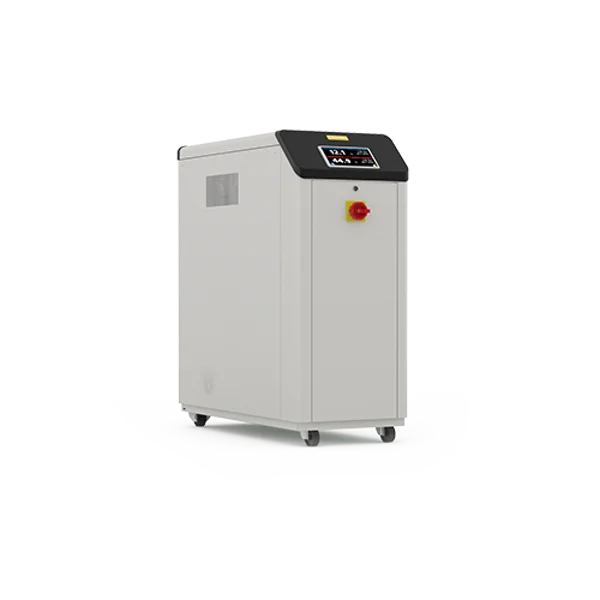
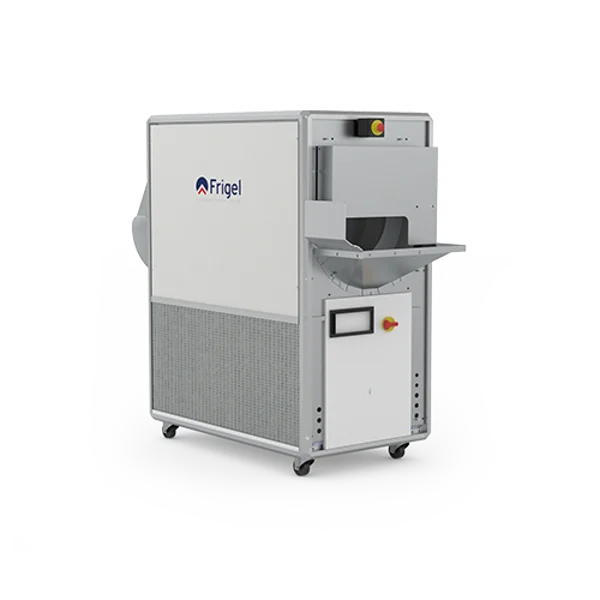
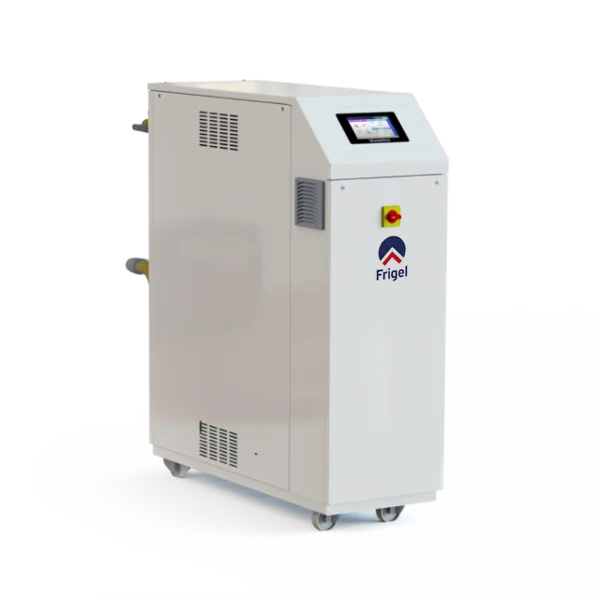
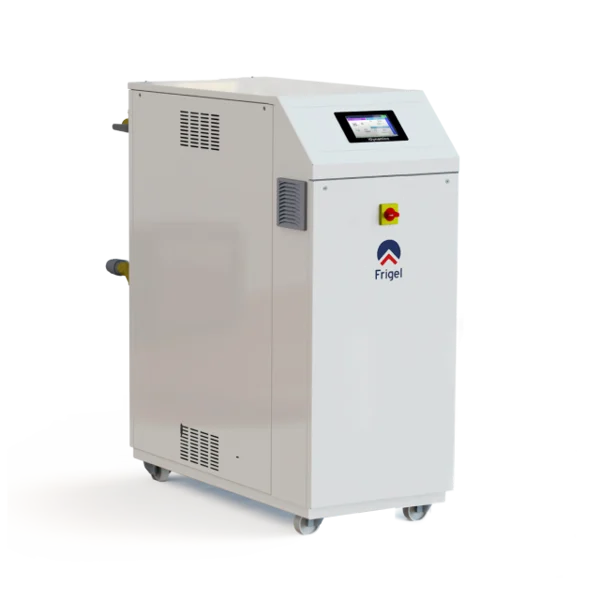
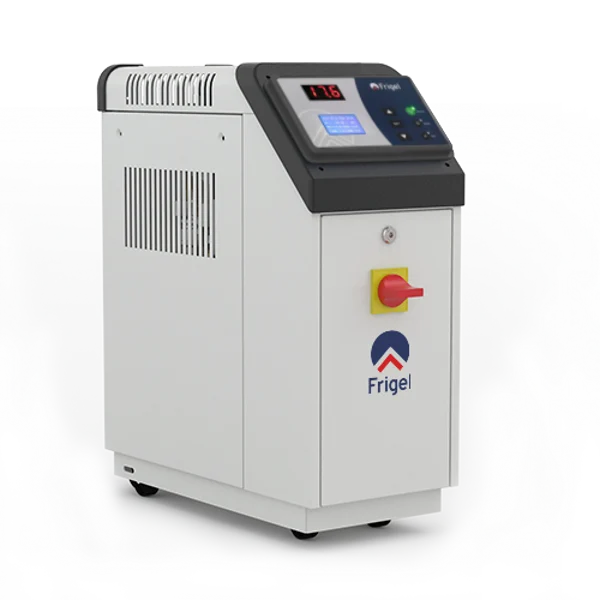
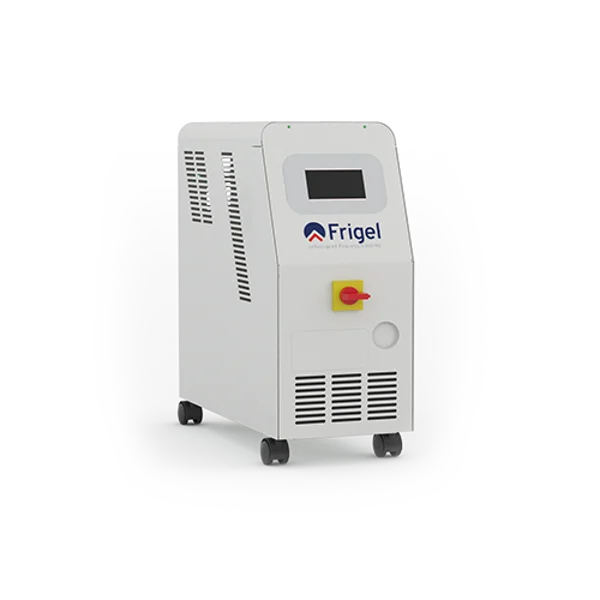
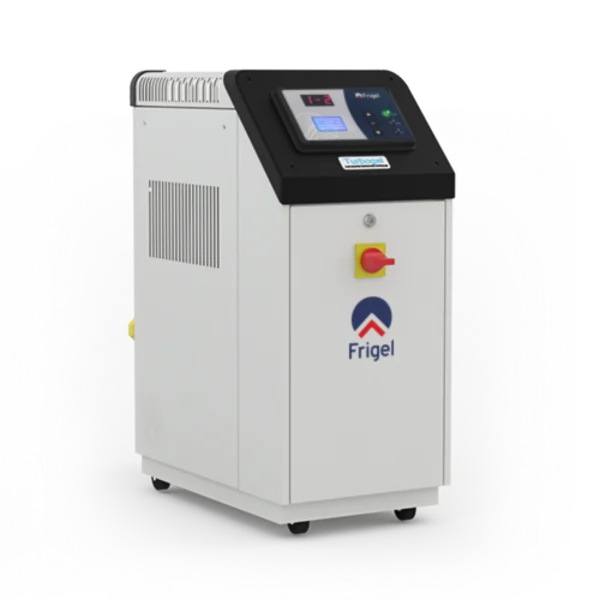
- Targeted "Trim" Temperature Precision: Delivers exact, localized temperature and flow control at individual process points or molds, maximizing thermal transfer efficiency.
- True Modular Scalability: Plug-and-play design allows facilities to easily expand cooling capacity step-by-step as production demands grow, minimizing initial CAPEX.
- Maximum Energy Efficiency: Integrates seamlessly with centralized cooling systems (such as Ecodry adiabatic coolers), utilizing automatic free-cooling modes to slash operational running costs.
- Refrigerant: R290 (Propane) — natural, GWP ≈ 3, ASHRAE safety class A3 and optimized chiller circuit design for optimized refrigerant charge (< 5 kg R-290 per circuit)
- Redundancy: Granular modularity beyond N+2; no single point of failure
- Maintenance downtime for module swap: Zero — modules can be removed 'hot' while the rest of the train stays in operation
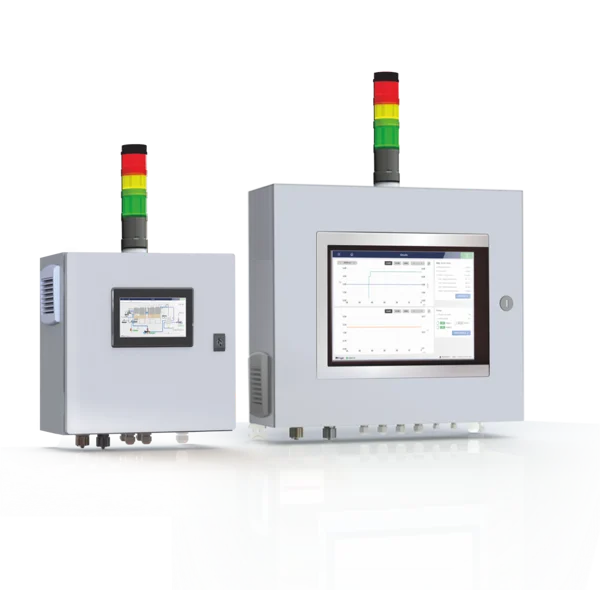
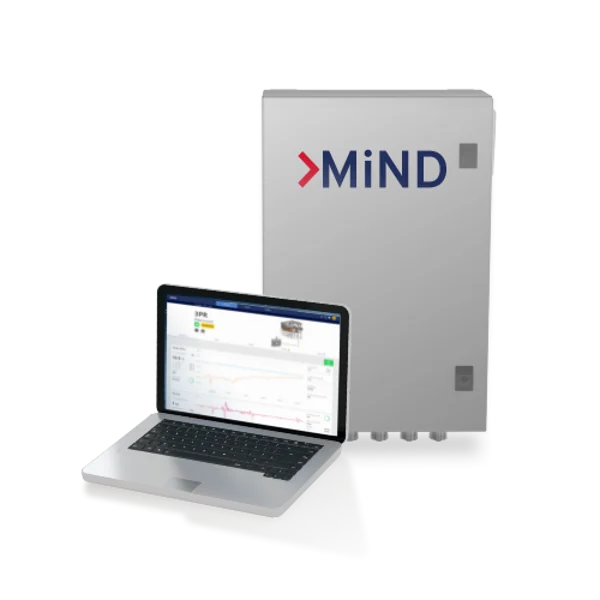
- Industry 4.0 & Smart Control: Advanced digital controllers (3PR 4.0 / MiND) for real-time diagnostics, precise parameter tuning, and full connectivity across the plant floor.
Performance and Sustainability



Free Cooling
Free-cooling is a concept whereby ambient air is used for cooling when the ambient temperature is lower than the data hall air (direct free-cooling) or the chilled water (indirect free-cooling).
In hydronic solutions free-cooling starts when external conditions ensure even a minimum coverage of the thermal load requirements. Thanks to the application of modulating free-cooling to maximize the free external source, the percentage of free-cooling increases proportionally in relation to the temperature difference between the internal and external environments, thus notably reducing the contribution of mechanical cooling and maximizing overall system efficiency.
Free-cooling is even more effective with high water temperatures, ensuring maximized energy savings.
Hybrid Dry Coolers
In Hybrid Dry Coolers, adiabatic cooling is made possible by special adiabatic chamber with special aluminum fins which, thanks to optimum water distribution, lower the air temperature due to water evaporation. This means additional operating hours in Free-Cooling mode.
Given the new ASHRAE ranges permitted, it will undoubtedly be even more advantageous in the future to use Hybrid Dry Coolers in Data Centers in applications at increasingly high temperatures as a back-up for cooling operations with chillers.
Total modularity
1. Easily expandable at any time
The Ecodry System allows the installation of the exact capacity required at each stage of plant development.
2. Gradual implementation
Even in existing plants, installing additional units is very simple thanks to the functional and effective modularity design.
3. Exact quantification of costs by line and product
Each unit can measure and record the specific energy consumption for each product.
4. Total reliability
The extreme simplicity, reliability and redundancy of the components of the adiabatic cooling unit minimizes the possibility of plant shutdown due to failures of the cooling system, ensuring the continuity of production 24 hours a day.
Product Solutions
Related Systems
High performance innovations


Our installations


