
















The importance of Cooling in Mould Labeling
Don't understimate the cooling
The importance and impact of cooling in high performance IML applications. An interview with two technology leaders.
Christopher Day, General Sales Manager LATAM at StackTeck: Cooling is a critical part in thin wall molding. In mold design our challenge is such that we need to cool the molten resin the fastest possible way yet allow the resin to flow into the cavity to fill the part and pack it. The latter requires high injection pressure and speeds to allow the resin to flow into the cavity and not “freeze-off”, hence the need for packaging machines with accurate metering, shot to shot consistency, high speed & high pressure, and accumulator assistance. Although IML thin wall parts are “thin”, fast cycle times are possible only if we can cool the part almost instantaneously & effectively to allow a proper demolding of the part with good part quality attributes. Cooling time on thin wall molds is a relatively small percentage on the overall cycle time. Yet to extract the heat from the steel molding surface you also need good cooling line design around the molding surface and best possible steel material selection for best thermal conductivity at your hottest or cycle limitation part design.
C. Day, StackTeck: Once a mold goes through its FAT (Factory Acceptance Test) and samples are dimensionally approved, the system has a locked-in process window from which, if the process varies outside this window, part quality and cycle may be affected.
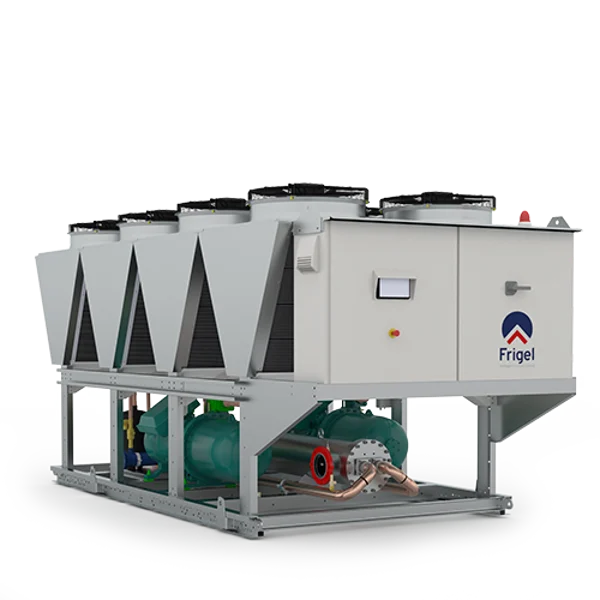
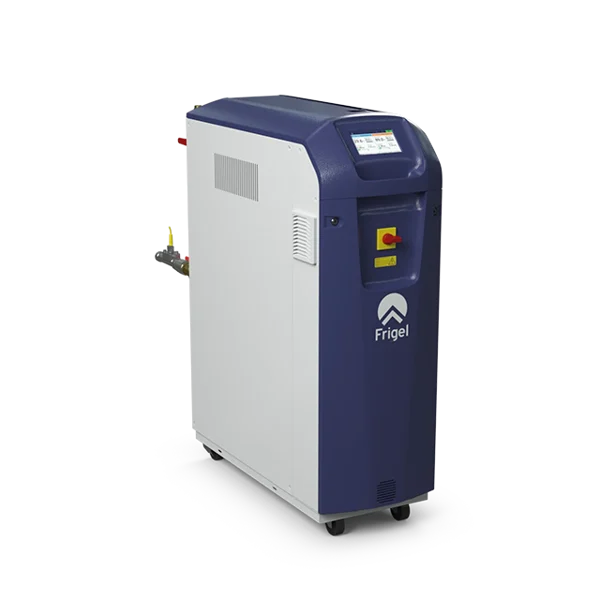
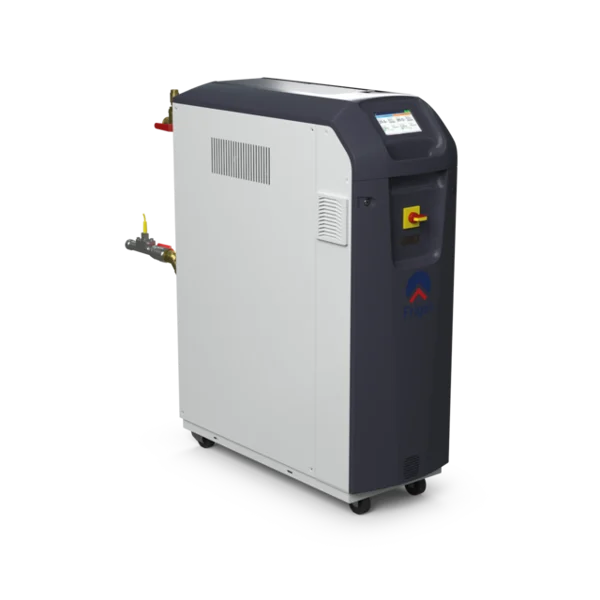
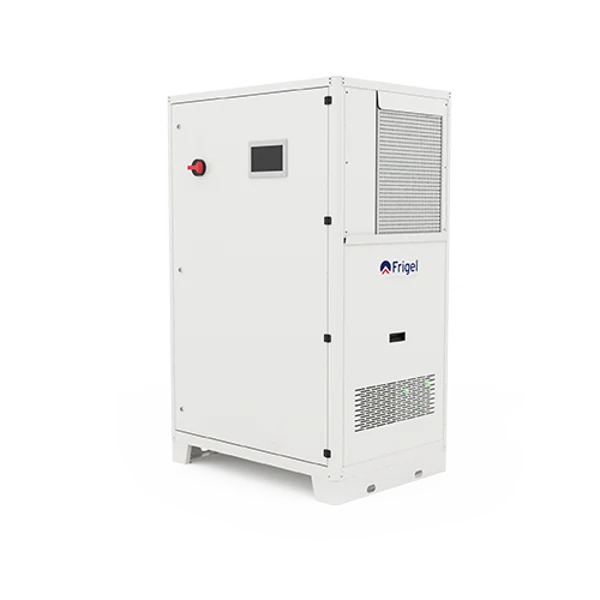
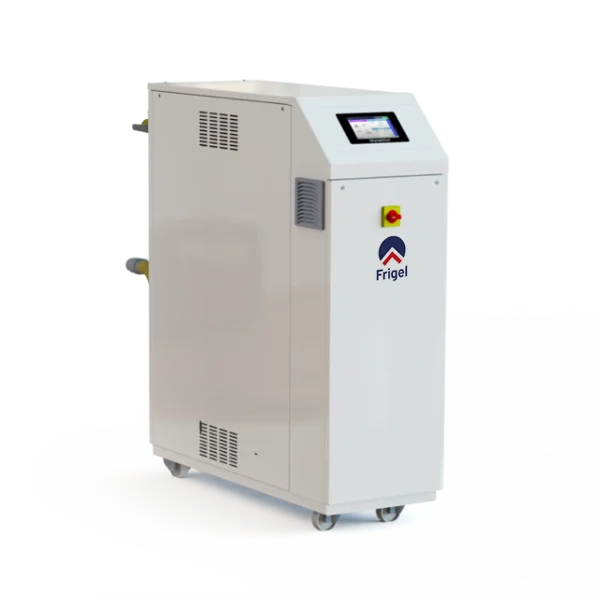
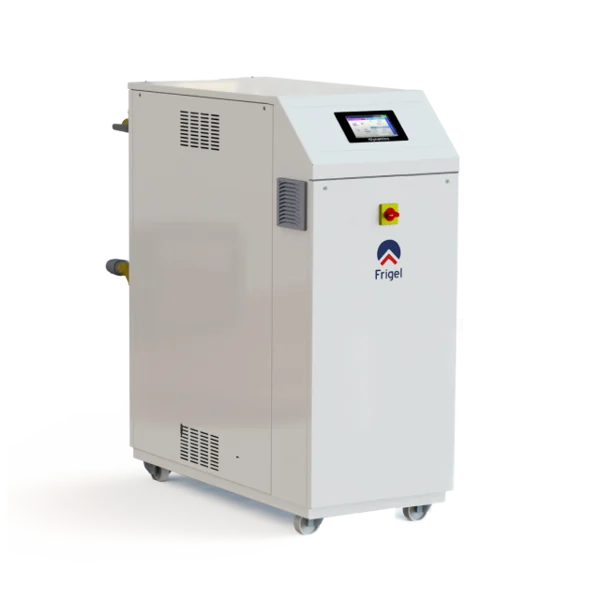
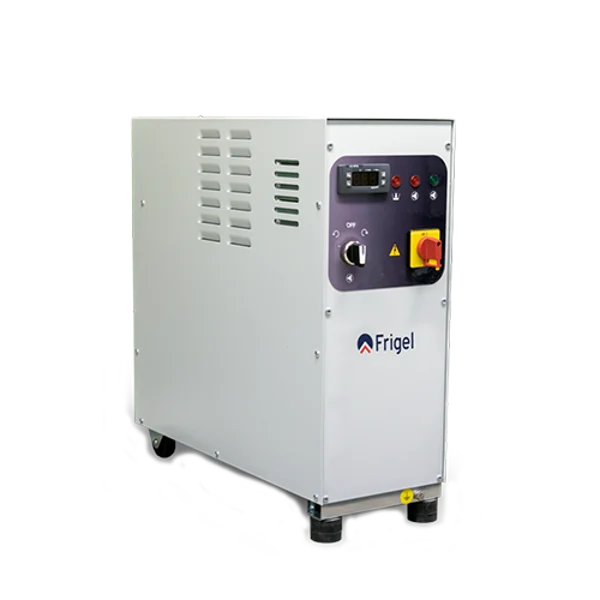
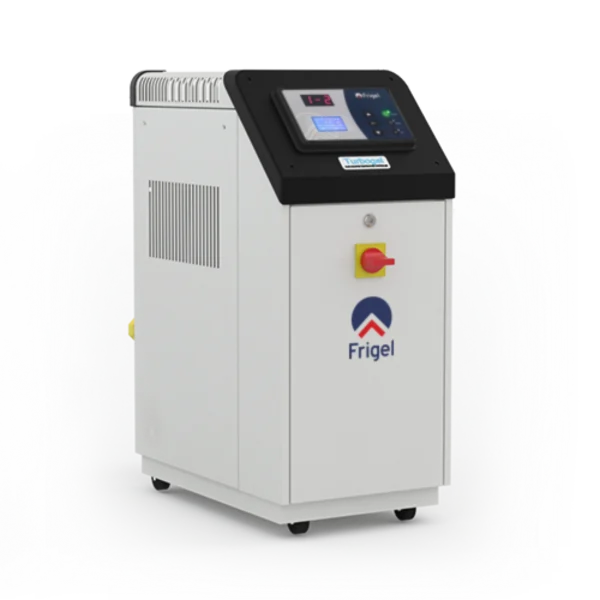
A. Kramer, Avance Industrial: The vast majority of IML molds are thin wall. Usually, for thin wall parts, it is very important to have high flow rate, high pressure available at the mold and temperature stability throughout the whole production shift. If one of these three parameters change, there might be quality problems that can cause scrap or it might halt the IML cell. Most of the time a central cooling system is not able to maintain these 3 parameters stable because it is influenced by the other IMMs in the plant. The Microgel is able to isolate the cell from the rest of the machines in the factory, giving the stability that will allow the IML cell to run with no problems.
C. Day, StackTeck: Water quality: why is it important? Over time, should the water treatment not be appropriate, it can begin to cause accumulation of deposit on the inside walls of the water channel. This accumulation on the walls begins to affect the thermal conductivity or heat transfer between the steel and the turbulent water, thus reducing the effectiveness to cool the part. Eventually this will begin to affect your process requiring the processer to add additional cooling time to the process to overcome the loss. Depending on where the accumulation occurs, it could also affect particular part quality issues on particular zones, forcing the processor to begin changes to his process, potentially moving him further out of the “process window” set from the original FAT.
Read the full interview and download the white paper by clicking the “Download press release” button (at the top of this page).
For more information
Contact usRelated articles
You may also be interested in


